
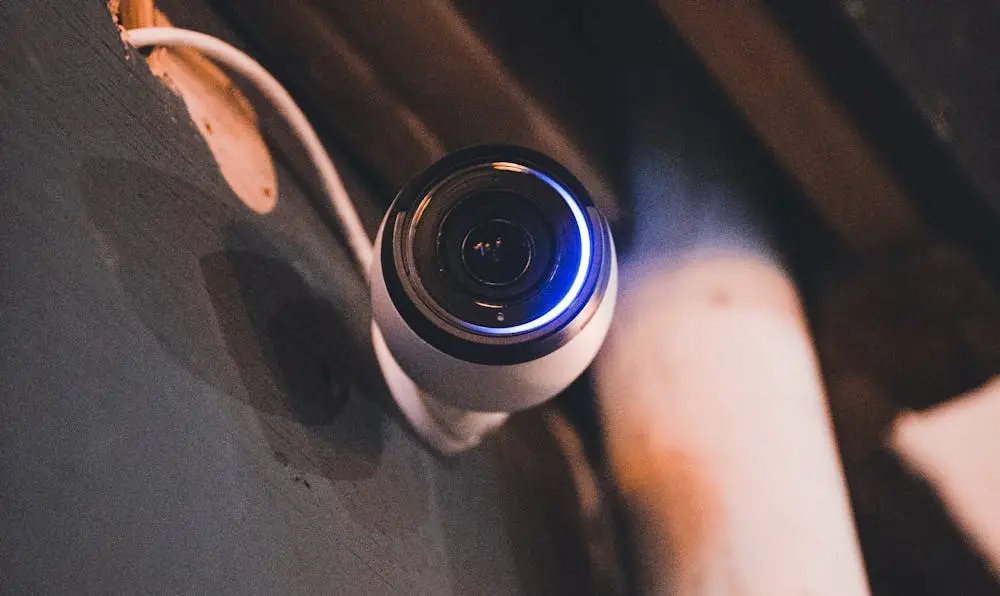
According to FBI crime data, a property crime occurs every 30 seconds in the United States. Yet nearly half of homeowners still rely on a deadbolt and a porch light for protection. In 2026, that gap between risk and readiness is more dangerous — and more expensive — than ever, with home insurance premiums hitting an average of $1,800 per year and climbing.
The good news: the best smart home security systems of 2026 have never been more accessible. Whether you want a no-contract DIY system for under $200 or a professionally installed setup that integrates with every device in your home, there is a credible option at every price point. This guide cuts through the marketing noise with real pricing data, hands-on testing results, and an honest look at which systems actually deliver — and which ones quietly drain your wallet.
What to Look for in a Smart Home Security System
Before comparing specific brands, it helps to know which factors actually matter. The industry has a talent for bundling flashy features that sound impressive in a brochure but do little to protect your home when it actually matters. Here is what deserves your attention.
Monitoring reliability is the foundation of any system. A monitored alarm is only as good as the response time when it triggers. Top systems in 2026 average between 30 and 45 seconds from alarm to contact — a gap that can mean the difference between an interrupted burglary and a completed one. Professional monitoring from a UL-listed central station is also the baseline requirement for most homeowners insurance discounts.
Cellular backup separates serious systems from toys. Any intruder who knows what they are doing will cut your internet connection before entering. Systems that rely solely on Wi-Fi go silent the moment that happens. Look for cellular backup on every plan you consider, not just the premium tier.
Contract terms and total cost deserve far more scrutiny than the monthly sticker price. A system advertised at $25 per month locked into a 36-month contract with a $500 equipment purchase costs you roughly $1,400 before you ever consider whether you like it. No-contract providers like SimpliSafe, Ring, Cove, and Abode have made long commitments increasingly hard to justify in 2026.
Smart home compatibility matters if you already own — or plan to buy — connected devices. Not every security system plays nicely with every ecosystem. Alexa and Google Home support is now table stakes. Apple HomeKit compatibility remains rare and unusually valuable for iPhone households. Z-Wave and Zigbee support, offered by Abode and a handful of others, unlocks the broadest range of third-party device integration.
Top 8 Smart Home Security Systems Compared
The table below reflects pricing current as of May 2026. Equipment costs reflect starter packages. Monthly fees reflect the most popular mid-tier monitoring plan.
| System | Starter Equipment | Monthly Fee | Installation | Self-Monitoring | Contract | Rating |
|---|---|---|---|---|---|---|
| SimpliSafe | From $249 | $22.99–$39.99 | DIY or Pro | Yes (free tier) | None | ★★★★★ |
| ADT | From $0 (with contract) | $24.99–$39.99 | Professional | Yes (higher tier) | 36 months | ★★★★☆ |
| Vivint | From $599 | $29.99–$49.99 | Professional | No | None (financing — see note) | ★★★★☆ |
| Ring Alarm | From $99 | $19.99 | DIY | Yes (free) | None | ★★★★☆ |
| Cove | From $100 | $19.99 | DIY | No | None | ★★★★☆ |
| Abode | From $65 | $6–$20 | DIY | Yes (full features) | None | ★★★★☆ |
| Frontpoint | From $99 | $34.99–$49.99 | DIY | No | None (custom) | ★★★★☆ |
| Brinks Home | Varies (quote) | $39.99–$49.99 | DIY or Pro | No | None | ★★★☆☆ |
SimpliSafe — Best Overall for Most Homes
SimpliSafe has topped nearly every independent ranking in 2026 for good reason. Its starter kit begins at $249, monitoring is optional and starts at $22.99 per month, and there is no contract requirement whatsoever. In independent testing, SimpliSafe achieved intrusion detection in under one second — a detection speed that no major competitor has matched at this price point. The Active Guard feature, available on higher tiers, allows a live monitoring agent to speak through your outdoor camera to deter intruders before a break-in escalates. For renters, smaller households, and anyone who wants flexibility without sacrificing protection, SimpliSafe is the default recommendation in 2026.
ADT — Best for Homeowners Who Want It Done For Them
ADT has been protecting homes for over 150 years, and that institutional depth shows in the quality of its monitoring infrastructure. The company operates six US-based professional monitoring centers, giving it more geographic redundancy than any competitor on this list. The trade-off is a 36-month contract in most states, monitoring fees that run from $24.99 to $39.99 per month, and a professional installation requirement that removes the DIY flexibility many buyers now expect. If you own a larger home, prefer a white-glove experience, and have no intention of moving within three years, ADT still makes a compelling case.
Vivint — Best Premium Smart Home Integration
Vivint is the system for buyers who want their security and smart home to function as a single, seamlessly managed platform. Its camera hardware stands apart — the Vivint Outdoor Camera Pro (Gen 2), launched in February 2026, features AI-powered computer vision that can distinguish between a lurking person and a passing car and trigger a siren with spotlight before an alarm even trips. The cost of admission is steep, with equipment starting around $599 and monthly fees between $29.99 and $49.99. Note on contracts: Vivint no longer requires a monitoring contract, but equipment financed through Vivint Flex Pay creates a 60-month payment obligation that functions as one. Buyers who pay for equipment upfront can monitor month-to-month.
Ring Alarm — Best Ecosystem for Amazon Households
If your home already runs on Alexa, Ring Alarm is the most natural extension of that ecosystem. The entry-level equipment starts at just $99, professional monitoring costs $19.99 per month, and the system integrates natively with Ring’s extensive camera and doorbell lineup. The AI Pro monitoring plan, at $19.99 per month or $16.67 when paid annually, adds features like Familiar Faces — a recently introduced AI tool that learns to distinguish your regular household members from strangers and filters alerts accordingly. The notable limitation: Ring’s professional monitoring does not include video verification, meaning agents cannot view live footage before dispatching help in the way ADT’s top-tier plans do.
Abode — Best for Apple HomeKit and Power Users
Abode occupies a unique position in the market as the only major DIY security system with native Apple HomeKit support alongside Alexa, Google Home, Z-Wave, and Zigbee compatibility. This makes it the right choice for households that have already invested in a mixed ecosystem of smart devices and do not want to compromise. Self-monitoring is available with full app functionality at no monthly cost, and professional monitoring starts at just $20 per month with no contract. At a three-year total cost that independent analysts have calculated to be 80% lower than Vivint, Abode is the value pick most buyers overlook in 2026.
Cove — Best Budget Professional Monitoring
Cove has quietly built a reputation for delivering professional-grade monitoring at a price point few competitors can match. At $19.99 per month — the lowest professional monitoring fee among major providers — with equipment available from around $100 and no long-term contract, Cove is the sensible pick for budget-conscious buyers who want real monitoring coverage without the recurring cost anxiety. Customer satisfaction scores are consistently among the highest in the industry, and its DIY installation takes most homeowners under 30 minutes.
DIY vs. Professional Installation: Which Is Right for You?
The installation question drives more purchasing decisions than almost any other factor — and the right answer is less obvious than it once was. A few years ago, professional installation meant better coverage. Today, the gap has largely closed, and the decision comes down to your home, your tolerance for setup, and your long-term plans.
The Case for DIY Installation
Modern DIY systems are engineered for non-technical users. SimpliSafe’s newest kit takes under 45 minutes to install with no drilling required. Ring, Cove, and Abode are similarly straightforward, with peel-and-stick sensors and guided in-app setup. The financial argument is equally strong: DIY installation saves $100 to $200 upfront, and more importantly, it avoids the multi-year monitoring contracts that professional installation companies typically require as a condition of “free” setup. For renters, apartment dwellers, or anyone who anticipates moving within the next three years, DIY is the clear winner — you take the system with you when you go.
The Case for Professional Installation
Professional installation earns its place in specific scenarios. Large multi-story homes with complex entry points benefit from an expert assessment of sensor placement that most homeowners would miss. Hardwired camera systems, which offer reliability advantages over battery-powered alternatives, require drilling and cable routing that most DIY installers should not attempt alone. Vivint’s inclusion of professional installation at no extra charge (with equipment purchase) is a meaningful value-add for buyers who would otherwise pay a separate contractor. ADT similarly includes professional installation as part of its service model, and for buyers who simply do not want to spend a Saturday afternoon setting up a security system, that convenience has real worth.
Over three years, independent cost analyses consistently show DIY systems totaling $1,100 to $1,500 including equipment, setup, and monitoring — compared to $2,200 to $5,000 or more for professionally installed systems from ADT or Vivint.
The protection quality for most single-family homes is comparable. The price difference is not.
No Monthly Fee Options: Real Security Without the Subscription
The most-searched phrase in home security right now is some variation of “home security no monthly fee.” People are tired of subscriptions, and the demand is entirely reasonable. The encouraging news is that meaningful self-monitored security is achievable in 2026 — with honest caveats about what you gain and give up.
Ring Alarm offers free self-monitoring that lets you arm and disarm your system, receive motion alerts, and view live camera feeds through the Ring app at no recurring cost. You are your own monitoring center — when an alarm triggers, you get a notification and decide whether to call the police. This works well for homeowners who are reliably reachable and comfortable making that call.
Abode takes the most generous approach to free self-monitoring among major providers. Unlike SimpliSafe’s free tier, which restricts video recording and smart home connectivity, Abode’s self-monitored plan includes full app control and complete smart home integration. If you want to avoid monthly fees entirely without sacrificing functionality, Abode is the strongest option currently on the market.
SimpliSafe also offers a free self-monitoring tier, though it is intentionally limited — no video history, no smart home connectivity — to encourage upgrades to paid plans. It is a viable option for budget-constrained households but is better understood as a starting point than a permanent solution.
One practical consideration that no-fee advocates tend to understate: homeowners insurance discounts typically require professional monitoring from a UL-listed central station. If you run the numbers on a $1,800 annual premium with a 15% security discount, the $270 in annual savings often exceeds the cost of a mid-tier monitoring plan. Free self-monitoring may cost you more in insurance than you save on subscription fees.
How Smart Home Security Cuts Your Insurance Premium by Up to 20%
Your home security system does not just protect your belongings — it can meaningfully reduce what you pay to insure them. This connection between security investment and insurance savings is one of the most underused financial levers available to homeowners, and in 2026, with national average homeowners insurance premiums sitting around $1,800 per year and rising, it deserves serious attention.
Most major insurers offer security system discounts ranging from 5% to 20% depending on your provider and the features of your system. State Farm and USAA consistently sit at the higher end, offering discounts of up to 17% to 20% for professionally monitored systems. Allstate and Nationwide typically land in the 5% to 15% range. Even at the conservative end of that scale, the math works in your favor: a 10% discount on an $1,800 premium saves $180 per year — more than enough to offset a mid-tier monitoring subscription from SimpliSafe or Cove.
A SimpliSafe system costing $245 in equipment plus $22.99 per month in monitoring runs approximately $521 annually. A 15% discount on an $1,800 homeowners insurance premium saves $270 per year. Net security cost after insurance savings: roughly $21 per month — for a system that actively protects your home.
To maximize your discount, insurers weight features differently. The single most important factor is 24/7 professional monitoring from a UL-listed central station — this is the baseline requirement for virtually all discount programs. Beyond that, adding smoke and fire monitoring typically unlocks a higher discount tier. Cellular backup, water leak detection, carbon monoxide sensors, and freeze detection each add incremental value to your discount claim.
Claiming your discount is straightforward once your system is active. Contact your security provider and request a central station monitoring certificate. This document confirms your system’s professional monitoring status and is the standard proof insurers require. Submit it to your insurance company directly, and the discount should be reflected on your next renewal or policy update.
This discount stacks with other savings strategies, including multi-policy bundling and claims-free history discounts. If you are not yet taking advantage of everything your homeowners policy offers, our guide on homeowners insurance hidden coverages is worth reading alongside this one — the combination of a monitored security system and a fully optimized policy can produce surprisingly large annual savings.
Alexa, Google Home, and Apple HomeKit: What Works With What
Smart home integration is where security systems reveal their true character. A system that works beautifully in isolation but refuses to cooperate with your existing devices is a frustration waiting to happen. Here is a practical breakdown of what the major platforms actually support in 2026.
Amazon Alexa is supported by virtually every major security system on this list. Ring’s integration is deepest and most natural — unsurprisingly, given that Amazon owns Ring. You can voice-arm your system, announce alerts through Echo speakers, and control Ring cameras via the same app as your other Alexa devices. SimpliSafe, ADT, Vivint, Cove, and Frontpoint all support Alexa voice commands for arming and status checks.
Google Home compatibility is similarly widespread. Most systems on this list support basic voice commands through Google Assistant, though the depth of integration varies. Abode and Ring offer the most consistent Google Home experiences among DIY systems; ADT integrates natively with Google Nest cameras, making the combination a strong one for Nest ecosystem households.
Apple HomeKit is where the market thins out significantly. As of 2026, Abode is the only major DIY security system with native HomeKit support. This is a meaningful differentiator for iPhone and Apple Watch users who want to manage their security through the Home app, arm and disarm using Siri, or build HomeKit automations that incorporate security states. If you are an Apple household, Abode is not just a preference — it is effectively your only credible option without expensive third-party workarounds.
Z-Wave and Zigbee matter for buyers with existing smart device libraries — particularly smart locks, light switches, and thermostats. Abode supports both protocols natively, making it the most open platform available. Frontpoint and ADT support Z-Wave. SimpliSafe, Ring, and Cove do not support either, which limits their interoperability with non-proprietary devices.
One practical word of caution for anyone building automations: be deliberate about routines that affect security states. Automations that disarm your alarm based on location data, for example, can be convenient but create meaningful vulnerabilities if someone else has access to your phone or account. Review your automation logic with the same seriousness you would apply to a physical lock.
Privacy Concerns: Who Sees Your Footage and Where It’s Stored
This is the section that most security system marketing materials quietly skip. If you are installing cameras in and around your home, you are generating a continuous stream of video data — and the question of who can access that data, under what circumstances, and how it is stored deserves a direct answer.
Cloud storage is the default for most major systems, meaning your video is encrypted and transmitted to the provider’s servers. SimpliSafe, Ring, ADT, and Vivint all use cloud storage. Encryption in transit and at rest is standard, but the provider retains the ability to access footage in response to valid law enforcement requests. Ring, in particular, has faced scrutiny for its historical cooperation with police departments — a practice the company has significantly curtailed since 2023 following public pressure, though the policy remains worth reading before you commit.
Vivint has been explicit about its data handling: video footage is encrypted from the Smart Hub through to the cloud and back, and only account holders control who accesses their feeds. The company does not use footage from customer cameras to train AI models or sell data to advertisers.
Local storage is available from some providers and eliminates most cloud privacy concerns. Abode allows local storage to a connected USB drive, which means your footage never leaves your home network unless you choose to upload it. This approach offers the strongest privacy posture of any major system, at the cost of losing cloud backup if your hub is stolen or damaged.
From a practical standpoint, the biggest privacy risk for most homeowners is not the security company — it is weak account credentials. Enable two-factor authentication on every security account you create, use a strong unique password, and audit who has access to your system regularly. These steps eliminate the most common real-world vulnerabilities far more effectively than any provider’s privacy policy.
If data protection concerns extend beyond your home to your broader digital footprint, our review of the best identity theft protection services covers that territory in detail. And for business owners managing networked security systems or smart office devices, cyber liability insurance is worth understanding alongside your physical security posture.
Our Verdict: Best Systems by Category
- Best overall: SimpliSafe. It offers the right balance of price, flexibility, monitoring quality, and no-contract freedom for the widest range of households.
- Best for large homes or hands-off buyers: ADT. Unmatched professional infrastructure and a 150-year track record justify the premium for buyers who want it done right.
- Best premium smart home system: Vivint. AI-powered cameras, seamless smart home control, and included professional installation make it worth the cost for serious smart home builders.
- Best for Amazon / Alexa households: Ring Alarm. It is the natural extension of an Alexa ecosystem at a price point that is hard to argue with.
- Best for Apple / HomeKit households: Abode. It is the only major DIY system with native HomeKit, plus the broadest third-party compatibility and monitoring from just $20 per month.
- Best budget professional monitoring: Cove. Real professional monitoring at $19.99 per month, high customer satisfaction, and no long-term contract.
- Best for privacy-conscious buyers: Abode. Its local storage option and clean data-handling record make it the standout choice for households where privacy is a priority.
Frequently Asked Questions
- What is the best smart home security system for 2026?
- SimpliSafe is the best overall smart home security system for 2026 based on aggregated expert testing. It offers reliable hardware starting at $249, optional professional monitoring from $22.99 per month, a free self-monitoring tier, no contracts, and industry-leading intrusion detection speed. That said, the best system for your home depends on your installation preference, smart home ecosystem, and budget.
- How much does a smart home security system cost per month?
- Monthly costs range from $0 for self-monitored setups (Ring, Abode) to $49.99 or more for premium professionally monitored plans from Vivint and Brinks. The most popular mid-tier plans run between $19.99 and $34.99 per month. In 2026, the sweet spot for most homeowners is $19.99 to $29.99 per month, which typically includes professional monitoring, cellular backup, and video storage.
- Can I get a home security system with no monthly fee?
- Yes. Ring Alarm, Abode, and SimpliSafe all offer free self-monitoring options. Abode’s free tier is the most capable, offering full app control and smart home integration at no monthly cost. However, free self-monitoring typically does not qualify for homeowners insurance discounts, which require professional monitoring from a certified central station.
- Does a home security system lower homeowners insurance?
- Yes, in most cases. Most major insurers offer discounts of 5% to 20% for homes with professionally monitored security systems. The discount requires professional monitoring from a UL-listed central station, which you document with a monitoring certificate from your security provider. At a 15% discount on an average $1,800 annual premium, annual savings reach $270 — often enough to offset the cost of monitoring entirely.
- Which home security systems work with Apple HomeKit?
- Abode is the only major DIY home security system with native Apple HomeKit support as of 2026. Most other systems, including SimpliSafe, Ring, Cove, and Frontpoint, support Alexa and Google Home but not HomeKit. If Apple ecosystem integration is a priority, Abode is effectively your only straightforward option.
- Is DIY home security installation safe and reliable?
- Yes, for the vast majority of single-family homes and apartments. Modern DIY systems from SimpliSafe, Ring, Abode, and Cove are engineered for non-technical users and install in under an hour without drilling. Independent testing shows DIY systems perform comparably to professionally installed alternatives in sensor reliability and monitoring response. Professional installation adds real value only for large, complex homes or hardwired camera systems that require cable routing.
- What is the difference between self-monitoring and professional monitoring?
- With self-monitoring, your system sends alerts to your phone when sensors trigger, and you decide whether to call for help. With professional monitoring, a trained agent at a central station receives the alarm, attempts to reach you, and dispatches police, fire, or emergency services on your behalf if needed. Professional monitoring offers a meaningful safety advantage when you are unavailable, traveling, or asleep — and it is the standard requirement for homeowners insurance discounts.

Daniel Hayes is the founder and sole writer of advorahq. He is a self-taught finance researcher specializing in personal finance, credit cards, insurance, investing, and consumer law — built on primary sources, not summaries. Daniel is not a licensed attorney, CPA, or financial advisor; his articles are educational and not personalized advice. Reach him at Daniel.Hayes@advorahq.com.